.svg?q=70&width=384&auto=webp)


Facts About Easter
These Easter facts are eggs-cellent. Everything you want to know about Easter - why we celebrate it, how its date is set, the history behind beloved traditions, and fun facts that make the holiday even more fascinating.
Published: Feb 21, 2025 | Modified: Jul 29, 2026
Easter is one of the most celebrated holidays in the world, observed by over 2 billion Christians and embraced culturally by millions more. This guide covers everything you need to know: why Easter is celebrated, how its date is determined, the history behind Easter eggs and the Easter Bunny, and fascinating facts about this beloved spring holiday.
Quick Easter Facts Summary:
- Easter 2026 date: Sunday, April 5 (determined by the first Sunday after spring's first full moon)
- Easter Bunny origin: German folklore from 1680, introduced to America by Pennsylvania Dutch settlers
- Official flower: Easter lily, symbolizing Christ's resurrection
- Chocolate bunny preference: 78% of Americans eat chocolate bunnies ears-first
The most important Christian holiday of the year, Easter marks Jesus's resurrection and appropriately coincides with the arrival of spring, the season of rebirth. The holiday is a time to celebrate fundamental beliefs and the change of seasons.
Countless traditions commemorate the Easter season, from decorating and hiding eggs to filling baskets with chocolate bunnies. It's also a good time to revisit your décor — and fill your home with the flowers and colors of spring — in advance of the traditional Easter dinner.
Here are some frequently asked questions about Easter, plus several fun Easter facts.
Why do we celebrate Easter?
Easter, the most important Christian holiday, marks Jesus's resurrection, and appropriately coincides with the arrival of spring, the season of rebirth. The holiday is a time to celebrate fundamental beliefs and the change of seasons, which is why symbols like eggs, bunnies, and flowers represent new life. For many families, Easter is a time to gather, share a special meal, and create memories through traditions like Easter egg hunts and basket deliveries from the Easter Bunny.
When is Easter and how is the date determined?
Easter 2026 is Sunday, April 5. Easter always falls on the first Sunday after spring's first full moon, which is why the date changes annually (March 28 in 2027, April 16 in 2028)
Easter takes place after the 40-day period of Lent, a time when people typically fast during the day or give up something they enjoy. The week before Easter is considered “Holy Week." Palm Sunday takes place exactly a week before Easter, followed by Good Friday, and then Easter Sunday.
How to celebrate Easter?
Easter is celebrated in many ways depending on religious backgrounds, family traditions and cultural customs. Common ways to celebrate include:
- Attending Easter Sunday church services
- Decorating and dyeing Easter eggs, a tradition dating back to early Christian communities in Mesopotamia
- Organizing or participating in Easter egg hunts for children
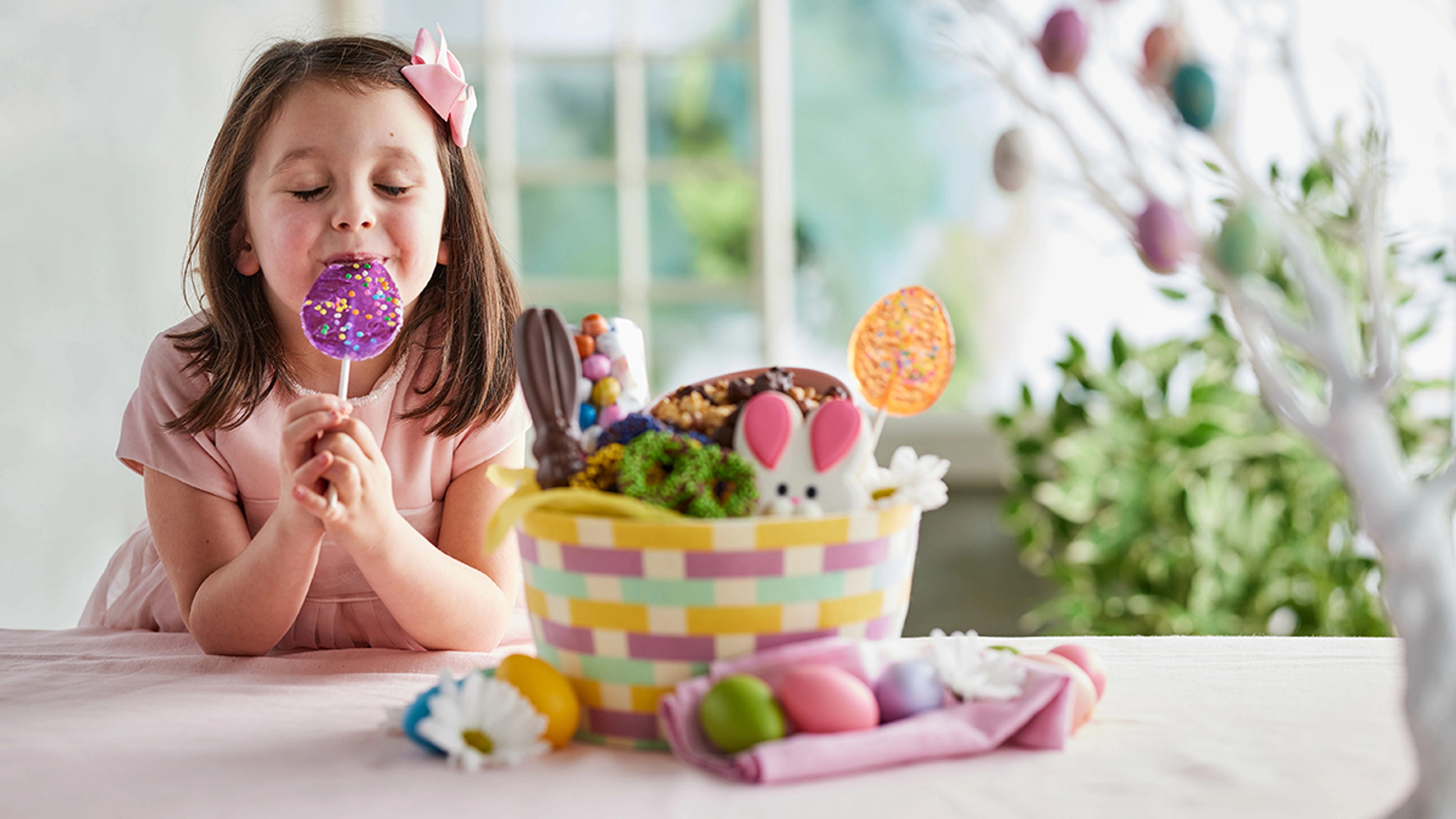
- Filling Easter baskets with chocolate bunnies, jelly beans, and small gifts
- Hosting a traditional Easter Sunday dinner featuring ham, lamb, deviled eggs, or hot cross buns
- Observing Lent in the 40 days leading up to Easter through fasting or giving up something meaningful
- Attending or hosting an Easter brunch with family and friends
How did the Easter bunny tradition start?
The first story about a rabbit coming to your backyard in early spring and leaving eggs in the garden was published in Germany in 1680. The Easter bunny was introduced to the Americas in the late 17th century by Christian German immigrants who settled in Pennsylvania. They told their children stories about the Oschter Haws (or Osterhase), a hare from German folklore that gave colorful eggs to well-behaved children on Easter. Over time, those nests evolved into the Easter baskets we know today, and the Oschter Haws became the Easter Bunny.
What is the flower of Easter?
The Easter lily (Lilium longiflorum) is widely recognized as the official flower of Easter. Its pure white trumpet-shaped blooms symbolize purity, hope, and the resurrection of Jesus Christ. The flower’s association with Easter dates back centuries, as lilies were seen as symbols of new life and rebirth in Christian tradition.
Because Easter coincides with spring, a season of renewal, the blooming of lilies became a natural representation of spiritual renewal. Today, Easter lilies are commonly displayed in churches and homes during the holiday season.
Each year, Americans are estimated to spend nearly $21.6 billion on Easter candy. An estimated $5.36 billion will be spent on candy for Easter baskets, and more than 70% of that candy is chocolate.
Chocolate bunnies account for 58% of Easter basket spending, followed by candy and stuffed animals. (Easter falls just behind Halloween and is the second biggest holiday for purchasing candy in the U.S.)
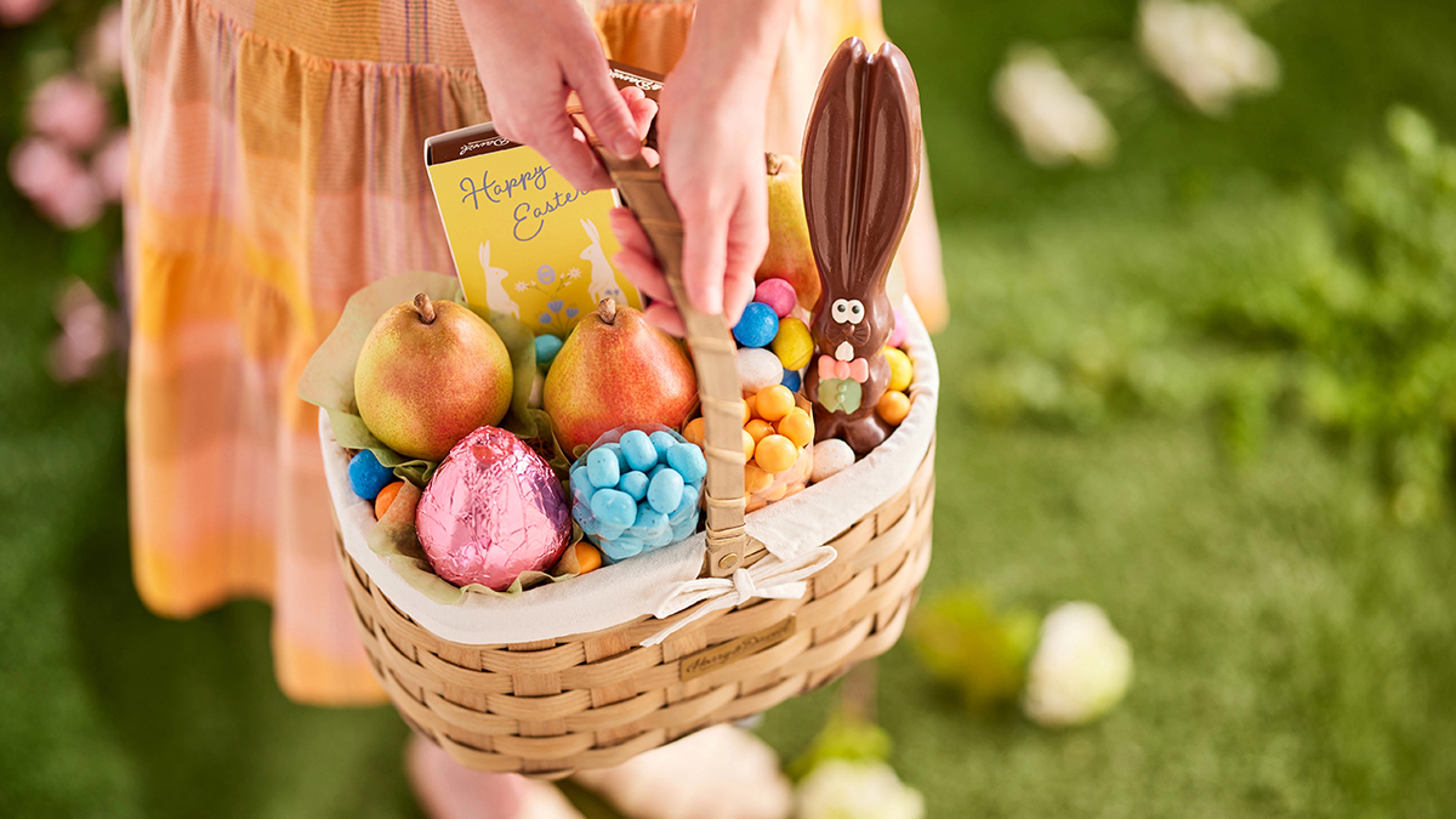
What's the best way to eat a chocolate Easter bunny?
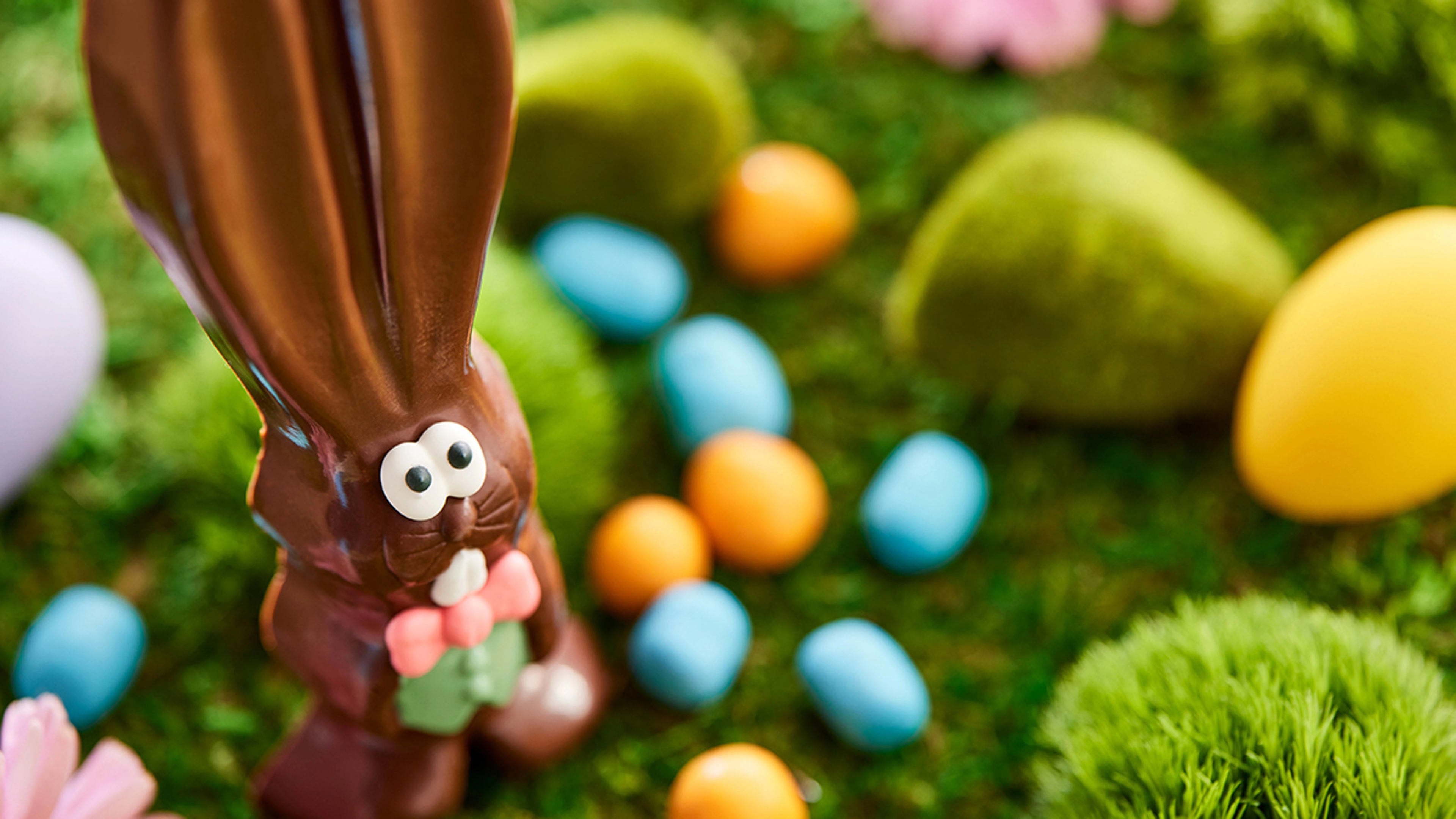
A WalletHub study found that 78% of Americans think you should start eating a chocolate bunny at the ears, which is why Harry & David's chocolate bunny features extra-long ears perfect for that first satisfying bite But watch out for your teeth: One of the main reasons for the hollow inside is so that people don't hurt their jaw or crack a tooth.
What's the largest chocolate Easter bunny and Easter egg?
In 2017, the world's largest chocolate bunny was created in Brazil — it weighed an astonishing 9,359 pounds and stood nearly 15 feet tall. The tallest Easter egg ever created weighed 15,000 pounds and was 33 feet tall.
What's the story behind Easter eggs?
Spring is often used to represent new life and birth while eggs have long symbolized fertility. Given the time Easter occurs and the religious meaning behind it, eggs quickly became a popular Easter symbol.\
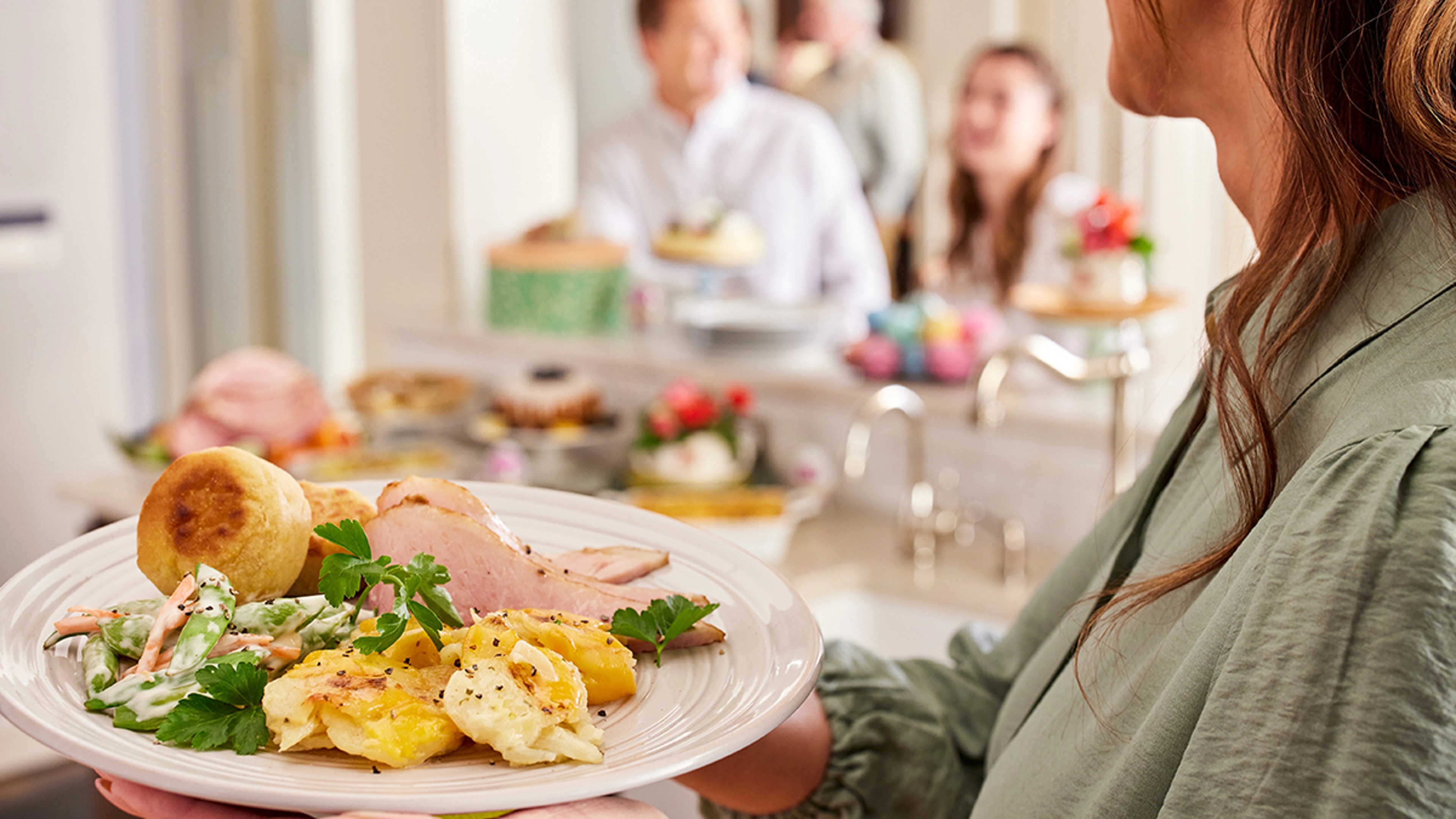
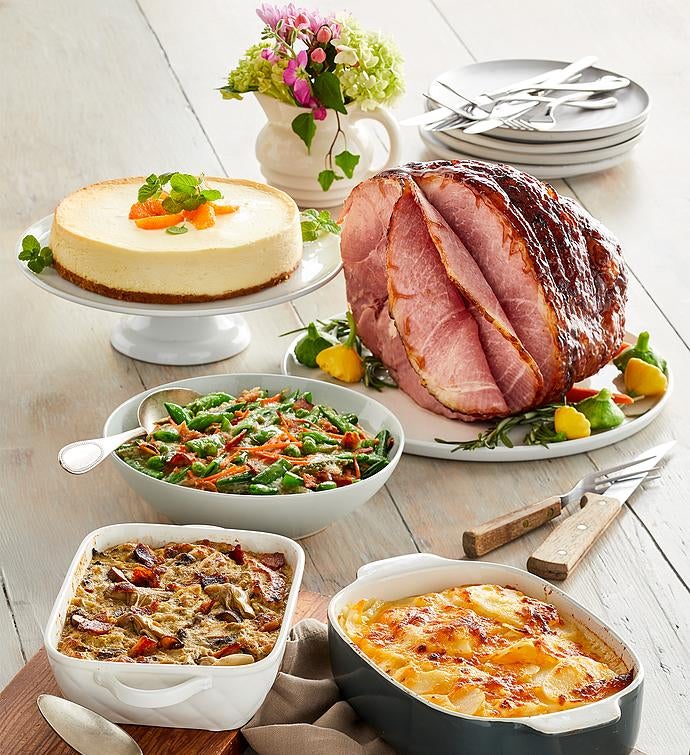
No Easter celebration is complete without a table full of traditional Easter Sunday foods. Classic dishes include ham, lamb, deviled eggs, glazed carrots, string beans, cut pineapple, hot cross buns, lemon bars, babka, and carrot cake. Ham became a traditional Easter food in part because pigs were typically slaughtered in the fall and cured through winter, making ham one of the first fresh meats available after the long Lenten fast.
Before chocolate cornered the Easter food market, pretzels were eaten and exchanged as gifts. And during Holy Week, it is estimated that Americans eat around 16 million jelly beans.
Each year, Americans are estimated to spend nearly $21.6 billion on Easter candy. An estimated $5.36 billion will be spent on candy for Easter baskets, and more than 70% of that candy is chocolate.
Chocolate bunnies account for 58% of Easter basket spending, followed by candy and stuffed animals. (Easter falls just behind Halloween and is the second biggest holiday for purchasing candy in the U.S.)
However you choose to celebrate, Easter is a time to gather with the people you love, enjoy the flavors of the season, and welcome the warmth of spring. Whether your Easter table is anchored by a glazed ham, a basket full of chocolates, or a bouquet of fresh spring flowers, Harry & David has everything you need to make the holiday memorable, from the first egg hunt to the last bite of carrot cake.
In an egg roll, children roll an egg through the grass with a long-handled spoon. The activity dates back hundreds of years and may have originated to symbolize the rolling away of the rock from Jesus's tomb after his crucifixion.
The White House's annual Easter Egg Roll began in 1878 during the Hayes administration. Children and their families are invited to the president's home for egg hunting, rolling, and other festivities. It takes place the Monday after Easter Sunday.
AUTHOR

Tara Carlson graduated from Hofstra University with a degree in Public Relations and loves any and all things creative writing - which is why she is thrilled to be working with Berry Chatty. When she's not writing, you can probably find her swimming at the beach, catching up on the latest movies (she's a big fan of award season!) and playing soccer.